

Blog / How-to guides
How to Count Calories When Eating OutRestaurants, Takeaway and Delivery
· 3 min read
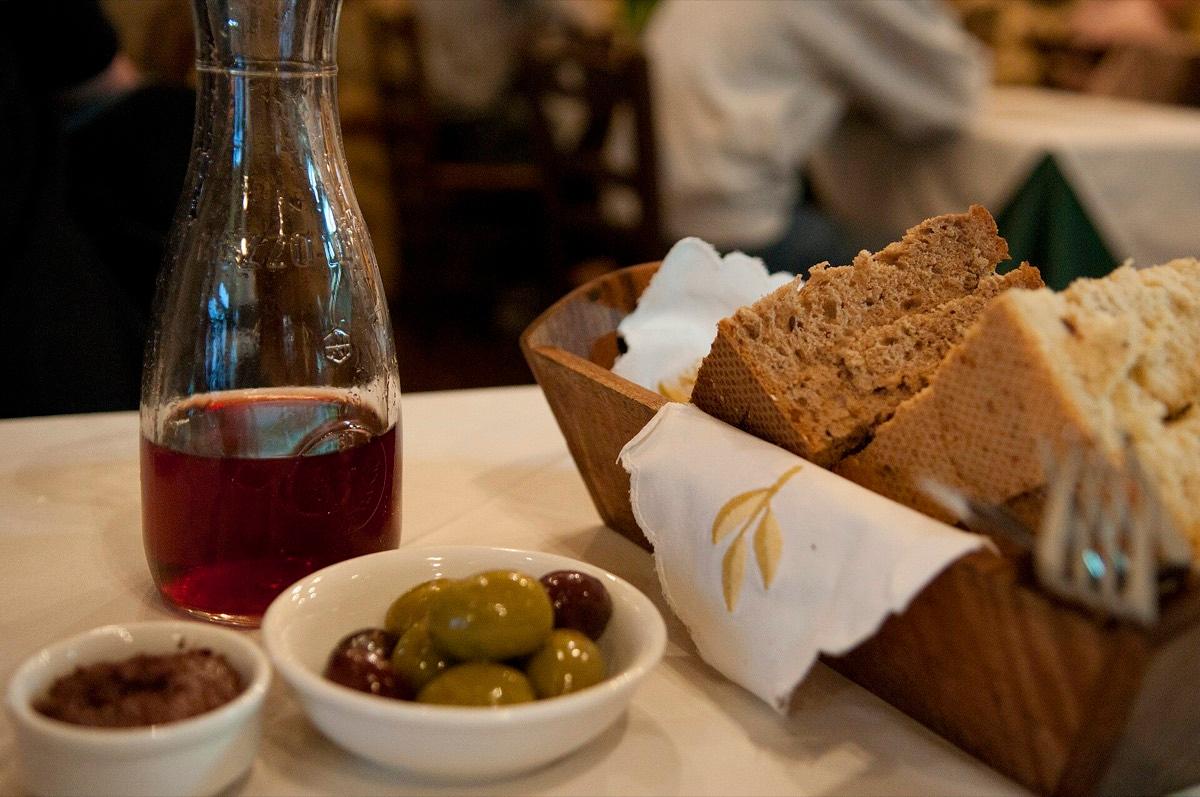
Cooking at home, you know what went in the pan. At a restaurant you don't, and that's where most calorie targets quietly fall apart. You don't need to give up eating out. You need a few reliable rules for estimating it.
Why restaurant food has more calories
Restaurants are cooking for flavour, not your goals. Three things make the same dish richer than home:
- More fat. Butter to finish sauces, oil in every pan, ghee or lard where it's traditional. A chef's "splash" is often 2-3 tablespoons, at about 120 calories each.
- Bigger portions. A restaurant main is commonly 1.5-2 times a home serving.
- Extras by default. Bread with butter, chips on the side, dressing already on the salad, a sugary drink.
A reasonable rule of thumb: take the home-cooked estimate and add 30-50%, or more for fried and creamy dishes.
Quick reference: common restaurant orders
| Order | Calories (approx.) |
|---|---|
| Cheeseburger with regular fries | 1,000-1,300 |
| Large pepperoni pizza, 2 slices | 550-700 |
| Pad thai (restaurant plate) | 700-1,000 |
| Chicken burrito, everything in it | 900-1,200 |
| Butter chicken with rice and naan | 1,100-1,500 |
| Spaghetti carbonara (restaurant) | 800-1,100 |
| Chicken Caesar salad with dressing | 500-800 |
| Sushi, 2 standard rolls (16 pieces) | 500-700 |
| Fish and chips (chip shop regular) | 900-1,300 |
| Chicken shawarma wrap with garlic sauce | 550-800 |
| Bowl of tonkotsu ramen (broth included) | 800-1,100 |
These are ranges because restaurants really do vary that much. When unsure, pick the middle and move on. Being roughly right every day beats being precise twice a week.
The hidden calories to watch
| Hidden extra | Calories |
|---|---|
| 1 tbsp oil or melted butter | ~100-120 |
| 2 tbsp mayo-based sauce | ~150-200 |
| 2 tbsp salad dressing (creamy) | ~120-160 |
| Bread basket, 2 pieces with butter | ~250-350 |
| Regular soft drink (500 ml) | ~200-220 |
| Large flavoured latte | ~250-400 |
| Pint of beer | ~180-250 |
| Glass of wine (175 ml) | ~140-170 |
Seven habits that keep eating out on track
- Look at the menu before you go and decide then, not when you're hungry.
- Ask for sauces and dressings on the side. You'll use about half.
- Swap one side. Salad or vegetables instead of fries saves 300-400 calories.
- Eat the protein and vegetables first. You'll often leave some of the starch.
- Split a starter or dessert instead of skipping it and feeling deprived.
- Go easy on drinks. Two cocktails can match a whole main course.
- Don't bank calories by skipping lunch. Arriving starving is how a main becomes a main, a starter and dessert.
Takeaway and delivery
Delivery portions are often the largest of all, and "serves 1" frequently means 1,000+ calories. Plate it up instead of eating from the box, and save the rest for tomorrow. Half a takeaway twice is one of the easiest deficits you'll ever create.
How to log a meal you didn't cook
Searching a food database for "restaurant pad thai" gives you twenty entries that disagree by 600 calories. Describing the meal is faster and usually more accurate:
"Restaurant chicken pad thai, big plate, plus a Thai iced tea"
That's how DietTracker works. Say or type the meal the way you'd describe it to a friend, include where it came from and how big it was, and the AI estimates calories and macros for that portion. It asks a follow-up if something's unclear and lets you edit before saving.
New to calorie targets? Start with how many calories you should eat to lose weight, then try DietTracker free.